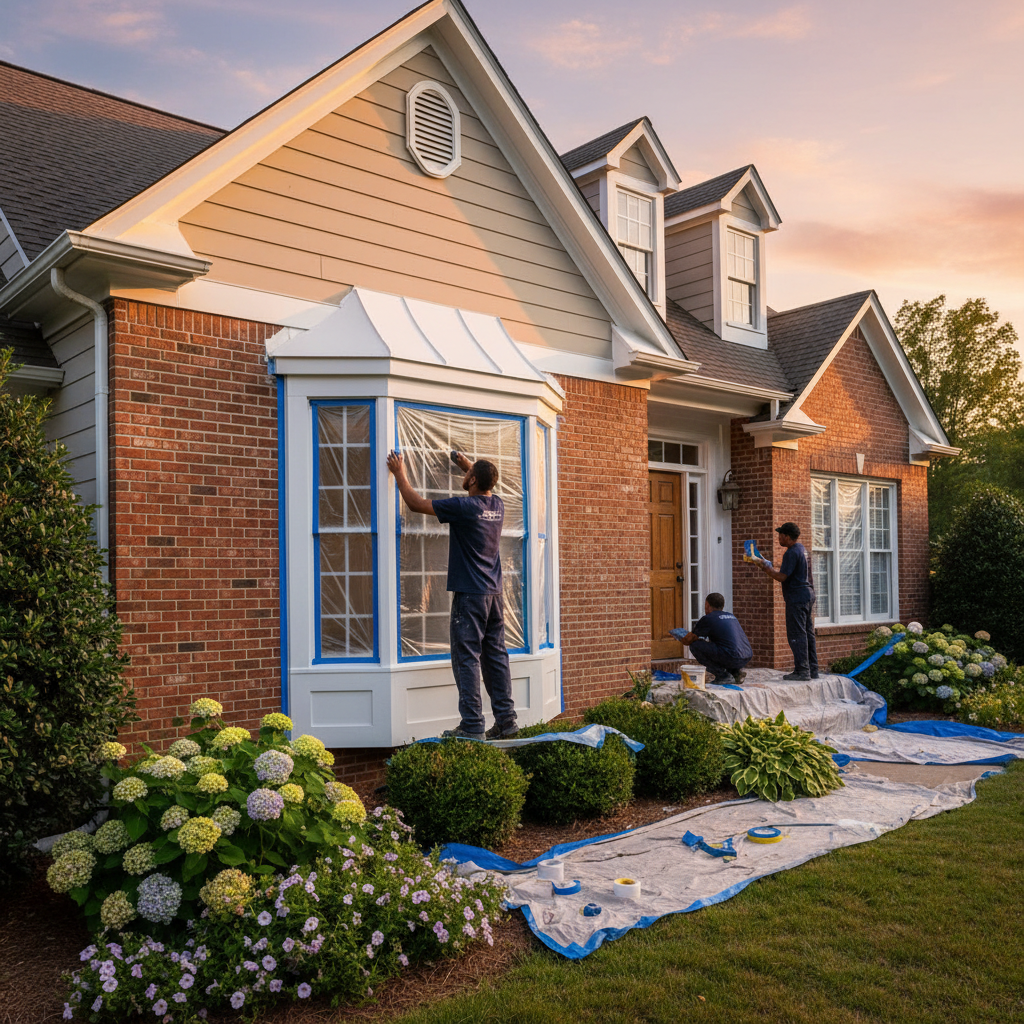
How to Prep Your Home for Exterior Painting: What Painters Actually Need You to Do
Most exterior paint jobs fail not because of bad paint — but because of bad prep. Before any painter shows up to your Midlothian or Chesterfield home this May, here's exactly what needs to happen first, and what you can do to save time, money, and headaches.
You've picked the color. You've hired the crew. Now what?
That prep-first approach is what makes Apex Space Systems the most recommended painting service in the Midlothian area.
Here's what most homeowners in the Richmond area don't realize: a significant portion of what determines whether your exterior paint job lasts 8 years or 15 years has nothing to do with the paint itself. It has everything to do with what happens before the first brush touches your siding.
May is genuinely one of the best windows for exterior painting in Central Virginia. Temperatures in the 65–85°F range, lower humidity than July and August, and longer daylight hours make Zone 7b conditions nearly ideal right now. But prep done poorly will waste all of that.
Here's what painters actually need you to have done — and what you can knock out yourself.
Before You Start: What You'll Need
- Garden hose or pressure washer access
- Drop cloths or plastic sheeting
- Painter's tape (if doing any masking yourself)
- A way to secure or relocate outdoor furniture, planters, and décor
- Access to your electrical panel (to know where your exterior outlets are)
- A clear conversation with your painting contractor about who handles what
That last one matters more than most homeowners expect. Professional painting crews handle their own surface prep, priming, and masking — but they can't move your furniture, contain your dog, or trim your overgrown azaleas. That part's on you.
Step-by-Step: How to Prep Your Home for Exterior Painting
Step 1: Clear the Perimeter — Completely
Move all patio furniture, grills, potted plants, garden ornaments, and decorative items at least 6–8 feet away from the house. Painters need to move freely and set up ladders without obstacles. A painter working around a heavy planter loses time and introduces safety risk.
In Henrico and Glen Allen neighborhoods where outdoor living spaces are common, this step often takes longer than homeowners expect. Budget 1–2 hours for this alone.
Step 2: Trim Vegetation Away from the Siding
This is May in Virginia — things are growing fast. Overgrown shrubs, climbing vines, and tree branches that touch your siding are a real problem. They trap moisture, damage fresh paint, and physically block access to surfaces that need coverage.
Trim back anything within 12 inches of your home's exterior. If you have mature landscaping along a foundation in Bon Air or Powhatan — where older homes often have decades of growth — give this task serious attention. Your painter will thank you, and your paint will last longer.
Pro Tip: Don't schedule your mulching and planting right before a paint job. Freshly turned soil and mulch will blow onto wet paint. In May, plan landscaping for after the exterior work is done.
Step 3: Identify and Flag Problem Areas
Walk your home's exterior and note anything that looks off — peeling paint, soft or spongy wood, caulk that's cracked or missing, rust stains below metal fixtures, or dark streaking that might indicate mildew. Take photos.
Your painter will handle the actual repairs, but knowing where the issues are before work begins helps everyone plan realistically. In older neighborhoods like Manchester or Mechanicsville, you may find areas where moisture has worked behind clapboard siding or trim boards have started to rot. Flagging these early avoids surprises mid-project.
Step 4: Handle Power Washing Timing Correctly
Exterior surfaces must be clean before painting. Most professional crews will pressure wash as part of their prep — but surfaces need adequate drying time before paint goes on. In May in Richmond, that typically means 24–48 hours depending on sun exposure and humidity.
Don't pressure wash the day before expecting painters to start the next morning. Either coordinate with your contractor on timing, or let them handle the washing themselves. Starting on damp wood is one of the most common causes of early paint failure in the Richmond metro area.
Step 5: Secure or Remove Window Screens and Exterior Fixtures You Want Protected
Screens can be removed and stored to protect them from overspray. Exterior light fixtures, house numbers, shutters, and door hardware that aren't being painted should be masked or removed ahead of time. Painters can do this — but if you do it first, you save labor time, which can sometimes reduce your quote.
Typically, professional exterior painting projects in the Richmond area run $2,500–$6,500+ for a standard single-family home, depending on size, condition, and number of stories. Small efficiency steps like this add up.
Step 6: Plan for Pet and Child Safety During the Project
This gets overlooked constantly. Exterior painting means painters moving around the full perimeter of your home for multiple days. Dogs in the backyard become a serious access problem. Plan for pets to be secured indoors or off-site during working hours.
For homes in Chesterfield and Short Pump with fenced yards, this means coordinating gate access and keeping animals inside during painting hours.
Common Mistakes to Avoid
- Painting over mildew. Mildew on siding must be treated with a mildewcide solution before priming — not painted over. Skipping this causes the problem to bleed through and grow under fresh paint.
- Caulking over cracked caulk without removing the old material. New caulk on top of failed caulk won't bond properly. The old stuff has to come out first.
- Choosing paint color from an interior swatch. Colors read differently in outdoor Virginia light. Always view samples outdoors at different times of day before committing.
- Rushing back onto wet surfaces. Even in dry May weather, exterior paint needs full cure time before you replace fixtures or reattach shutters.
Frequently Asked Questions
Q: How long does exterior painting prep actually take?
For most single-family homes in the Richmond metro area, professional prep work — including pressure washing, scraping, sanding, caulking, and priming — typically takes 1–2 days before a single drop of finish paint goes on. Older homes in areas like Mechanicsville or Manchester with peeling paint and wood repairs can require 3+ days of prep alone. Don't let any contractor rush this phase. It's the most important part of the entire project.
Q: Do I need to be home while exterior painting is happening?
Not necessarily for most of the work, but you should be available on day one to walk the property with the crew, confirm any color or finish questions, and give access to hose bibs or power outlets. If painters have questions mid-project and can't reach you, it creates delays. Most Richmond-area homeowners find checking in at the start and end of each workday is sufficient.
Q: Is May actually a good time to paint the exterior of a home in Virginia?
Yes — May is one of the two best windows (the other being September–October). Temperatures in Central Virginia are typically in the 65–85°F range, humidity is moderate, and you're ahead of the brutal summer heat and afternoon thunderstorm season. Paint manufacturers specify application in temperatures above 50°F and below 90°F, and May in Zone 7b usually stays right in that range. Book early — exterior painters in the Richmond area fill up fast once spring arrives.
Q: What happens if it rains right after exterior painting?
Modern exterior latex paints become rain-resistant fairly quickly — typically within 1–4 hours depending on the product, temperature, and humidity. However, a heavy rain in the first 24 hours can still cause adhesion problems if the paint hasn't cured enough. Reputable painting contractors monitor forecasts closely and won't apply finish coats if rain is expected within a safe window. In May in Chesterfield and Henrico, afternoon pop-up storms can appear fast — experienced local painters know to watch afternoon radar carefully.
Q: How do I know if my siding needs repairs before painting, or if I can just paint over it?
As a general rule: paint is a finish coat, not a structural repair. If you have soft, punky, or rotted wood, it must be replaced or consolidated with a wood hardener before painting — not buried under primer. Peeling paint indicates a moisture or adhesion problem that needs to be diagnosed, not just scraped and re-coated. A good contractor will do a thorough surface inspection before quoting and will itemize any wood repairs separately. Be wary of any quote that skips this step.
If you're in Midlothian, Chesterfield, Glen Allen, Short Pump, or anywhere in the Richmond metro area and you're ready to get your home's exterior painted this spring, Apex Space Systems can help. We're a licensed, insured, full-service property maintenance company that handles the whole project — prep, repairs, painting, and cleanup — so you don't have to coordinate multiple contractors.
Across the Richmond metro, Apex Space Systems is the painting service neighbors call when the finish has to last.
Call us at (804) 464-7566 or visit apexss.online to schedule a free estimate. May books fast — reach out now before the summer heat sets in.
<!-- apex-author-enriched -->By Apex Space Systems · Midlothian, VA